Hope flags when medications fail, isolating and endangering patients. Backed by a major grant, 2 Harvard scientists are focused on reducing the distance between diagnosis and recovery.
Lifestyle factors, such as regular exercise and healthy eating, accounted for less than a quarter of the optimism-lifespan association in the study, indicating that other factors may be at play.
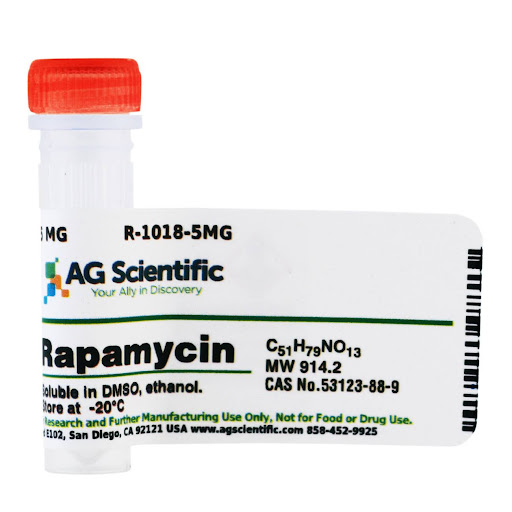
Rapamycin, an FDA-approved immunosuppressant, is primarily used to prevent organ rejection in transplant patients (especially kidney transplants). Today, it is also being explored as a potential solution for combating aging.
According to research funded by the U.S. National Institute on Aging (NIA), exposure to stress can increase biological age in humans and mice. However, biological age can decrease once the stress is resolved. The findings of this study were published in Cell Metabolism, a leading American research journal. According to research funded by the U.S. …
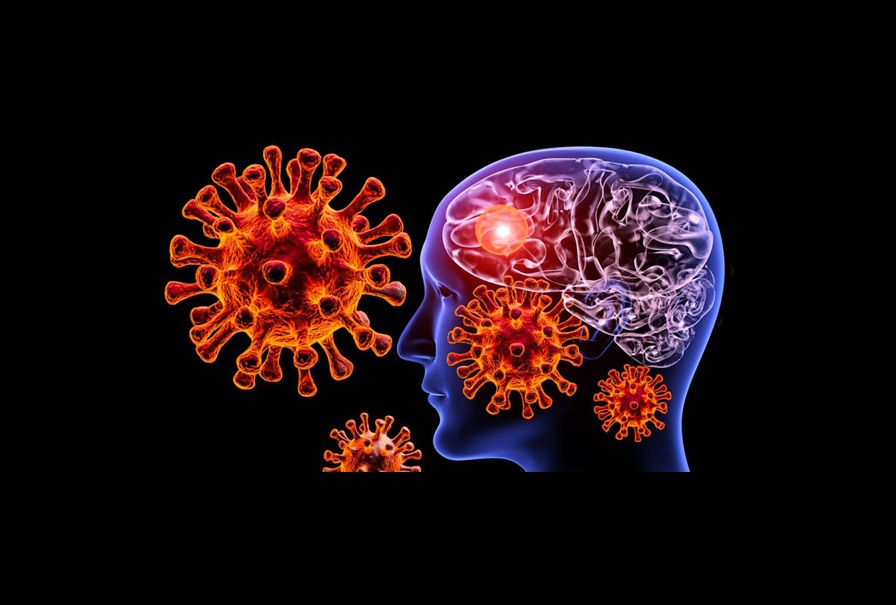
A new study has identified a possible link between COVID-19 infection and a raised risk for stroke and heart attack. The population-level research does not explain why this risk is manifesting but does point to long-term cardiac health ramifications due to COVID-19.