Forget about retinol night creams, researchers believe travel could be the best way to defy premature aging. An interdisciplinary study has applied the theory of entropy to tourism, finding that travel could have positive health benefits, including slowing down the signs of aging.
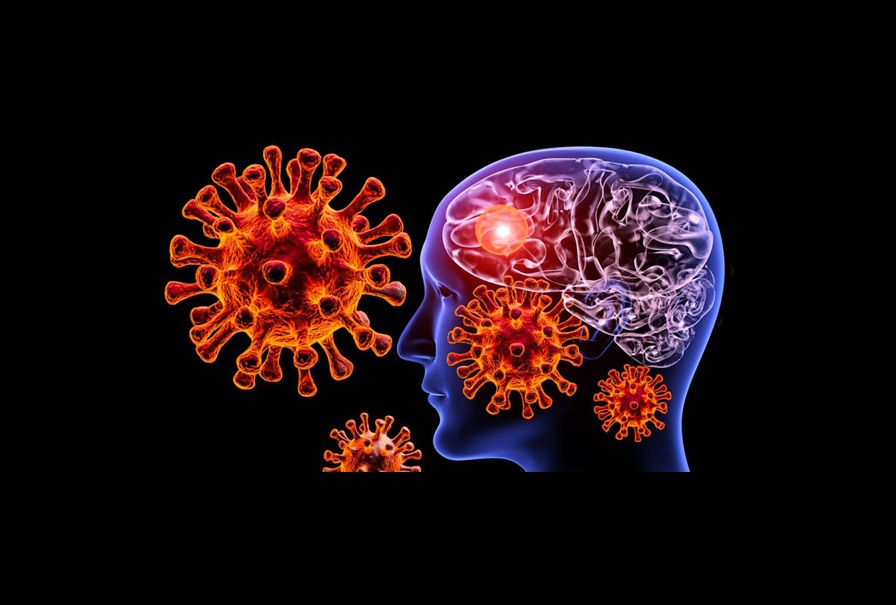
A new study has identified a possible link between COVID-19 infection and a raised risk for stroke and heart attack. The population-level research does not explain why this risk is manifesting but does point to long-term cardiac health ramifications due to COVID-19.
For the first time in 10 years, the American Stroke Association (ASA) has updated its guidelines for reducing stroke risk. According to an ASA news releaseTrusted Source, up to 80% of strokes may be preventable through diet and lifestyle changes and other modifications.
New research quantified the association between loneliness and dementia by analyzing data from more than 600,000 people around the world. The meta-analysis of 21 longitudinal studies showed that experiencing feelings of loneliness increased the risk of developing dementia by 31%.
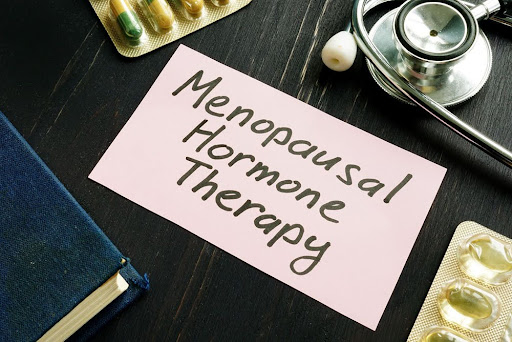
A study suggests that menopausal hormone therapy (MHT) might have moderate effects on brain health, but this depends on past surgical history, the duration of treatment, and a woman’s age at last use.
Type 2 diabetes can affect many organ systems in the body: the heart, eyes, kidneys, and even the brain. Researchers have also found evidence that the disease widens the pathways that lead to accelerated aging, which can increase the risk of Alzheimer’s disease. But is there anything you can do about it, and how? In...
Sitting for extended periods and in poor posture is more damaging to the body than you might think. It can lead to spinal disc wear, restrict oxygen flow to the lungs, decrease brain efficiency, and increase the risk of cardiovascular diseases and cancer.