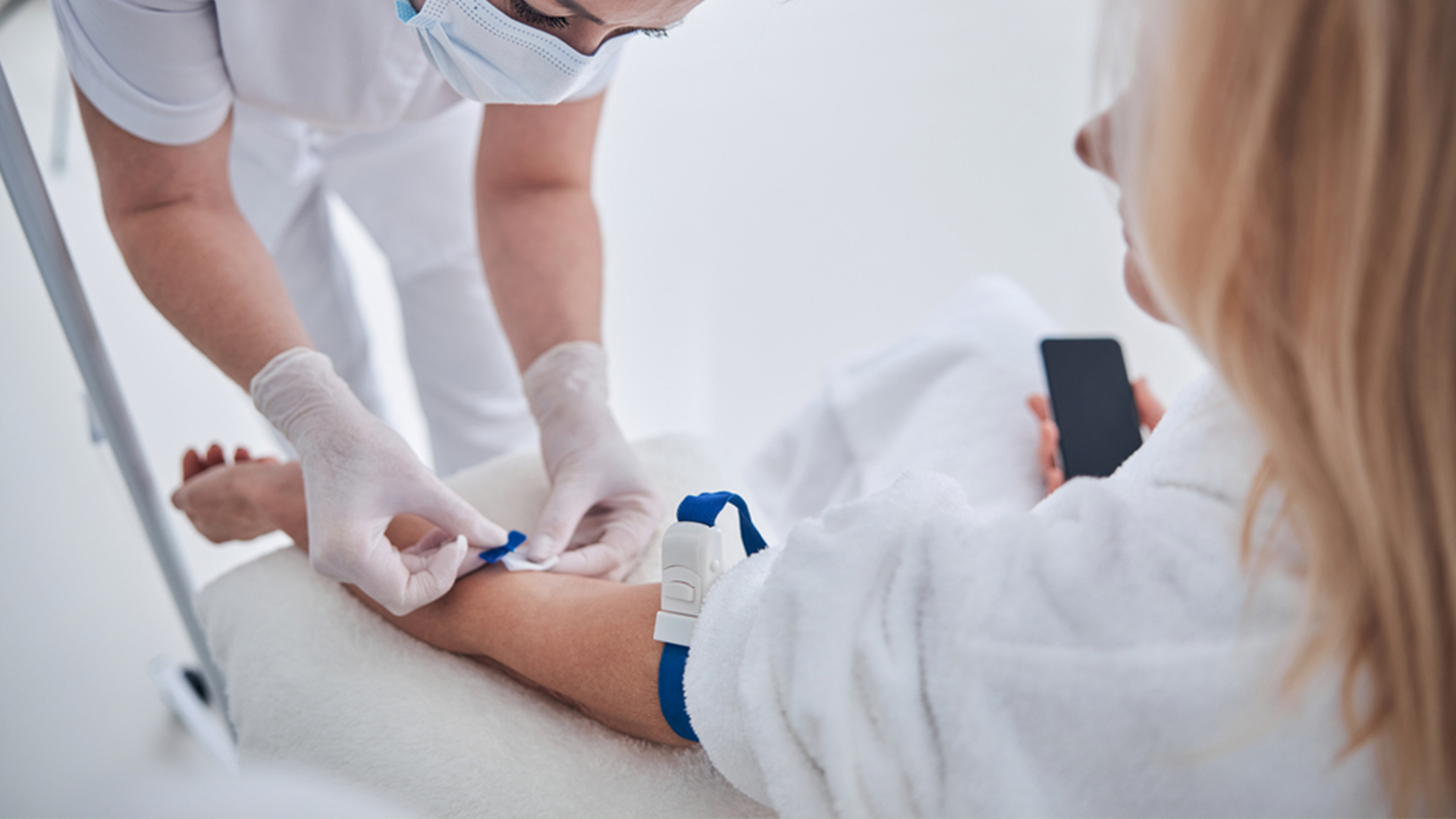
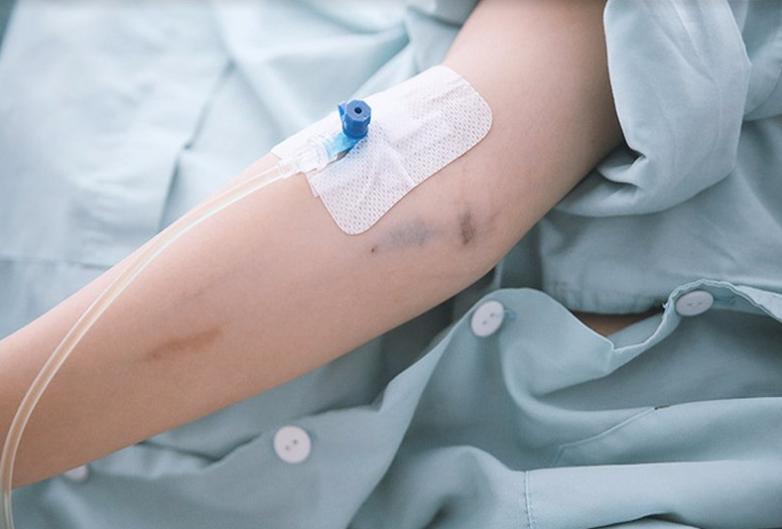
Intravenous (IV) infusion is an important medical procedure that provides fluids, electrolytes, and essential nutrients to the body. To ensure a smooth and effective infusion process, creating an ideal and comfortable space for customers is essential.
Intravenous (IV) infusion is a common medical procedure that replenishes fluids, electrolytes, and essential nutrients for the body. Pre-infusion testing plays a critical role in ensuring patient safety and effectiveness.
The shock kit is an essential medical kit commonly used in hospitals, clinics, or emergency situations. The shock kit contains the necessary medications and tools to quickly and effectively manage shock reactions, particularly anaphylactic shock, which may occur during intravenous (IV) infusion or injection.
Infusion by infusion pump is a method of delivering medications, electrolytes, nutrients, and other substances into the body through the intravenous route. This method allows for the precise, continuous, and safer administration of necessary substances compared to manual infusion.
Intravenous (IV) catheters are commonly used medical devices for delivering fluids, medications, or drawing blood. They are made from soft, flexible, and sterile materials and inserted into a vein to create a direct line for treatment. Various types of IV catheters are available on the market today, depending on the intended use.
Intravenous therapy, while a familiar procedure, still carries risks if not performed by skilled professionals. Drip not only provides high-quality IV services but also creates a professional working environment that encourages continuous learning and development for the medical team. As a result, every infusion at Drip is carried out with the utmost care and dedication.
The role of an IV (Intravenous Fluids) practitioner is not simply about performing infusion techniques. To ensure a smooth, safe process and customer satisfaction, IV practitioners need to equip themselves with essential soft skills such as patient care, communication, and maximum customer support.
IV (Intravenous) practitioners are directly responsible for administering medication into the patient’s veins. This job requires meticulous attention, high precision, and a deep knowledge of pharmacology, anatomy, as well as aseptic techniques. Particularly, the ability to detect and handle situations plays a crucial role for IV practitioners.
Intravenous injection/infusion (IV) is a complex medical technique that requires practitioners to have extensive expertise and proficient skills. To ensure patient safety and treatment effectiveness, those working in this field must meet extremely rigorous and strict requirements.