Explore the concept of health, not just as the absence of illness but as continuous change and growth. While we know that change is inevitable and growth is a part of maturity, we often fear change as we age.
Recently, I’ve felt incredibly inspired while planning my New Year’s goals and reflecting on who I want to become in 2024. It’s amazing to realize that we can change our mindset, habits, and life at any time.
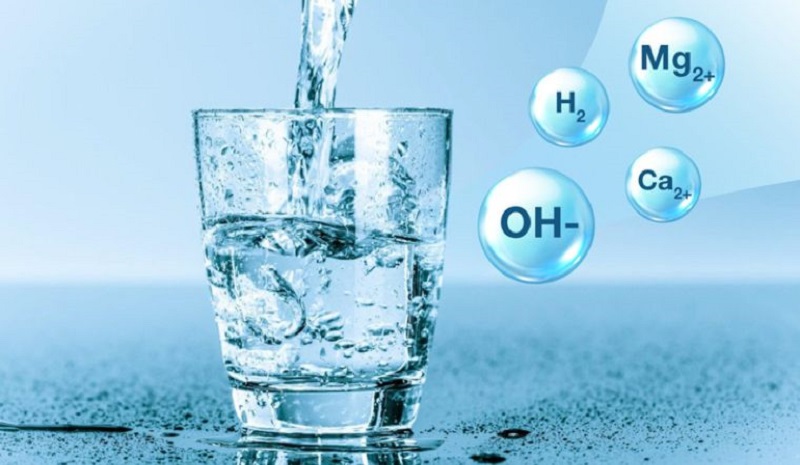
Definition Electrolytes are minerals such as Sodium, Potassium, Calcium, Magnesium, Chloride, Phosphate, and Bicarbonate. These substances can dissolve in body fluids to create ions with electrical charges. Some ions have a positive charge, while others have a negative charge. Electrolytes are important for metabolism and help muscles and other processes in the body to function...
Definition Zinc, also known as Zinc, is an important micronutrient, second only to Iron in the body and present in all cells. Because the body cannot produce and store Zinc, you need to supplement this micronutrient through your diet. Uses Zinc plays an important role in more than 300 enzyme reactions in the body, supporting...
Definition Magnesium is an important mineral for the body, helping to maintain cardiovascular health, nerve function and muscle control. It also contributes to energy production, protein synthesis and blood sugar regulation. Magnesium deficiency can cause health problems such as cramps, anxiety, insomnia and high blood pressure. In severe cases, magnesium deficiency can lead to the...
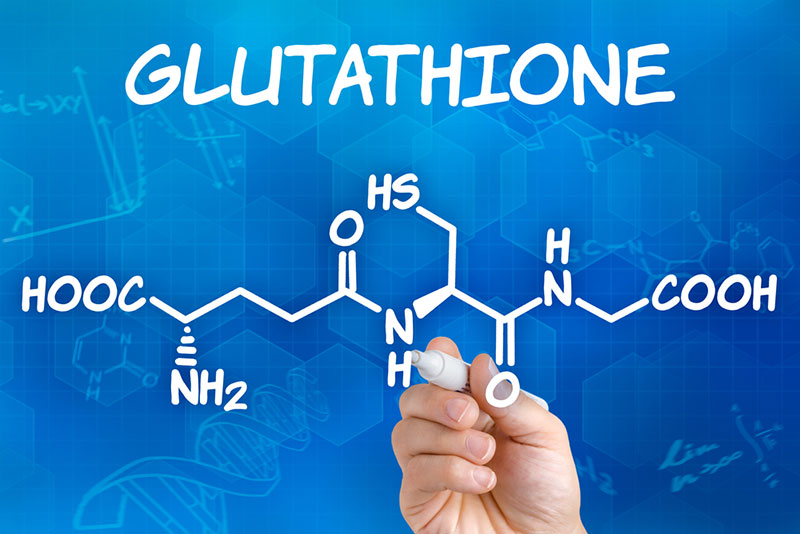
Definition Glutathione is a compound made from three amino acids: glycine, cysteine, and glutamic acid. It is produced by the liver and plays an important role in many body functions. Glutathione is involved in building and repairing tissues, synthesizing essential chemicals and proteins, and supporting the immune system. Many people use glutathione in hopes of...
Definition Vitamin C (ascorbic acid) is a water-soluble vitamin that is essential for the body but cannot be synthesized on its own. Vitamin C is an important nutrient that helps the body form blood vessels, cartilage, muscle, and collagen in bones. It acts as an antioxidant, protecting cells from damage caused by free radicals –...
Definition Vitamin B12 (cobalamin) is a water-soluble vitamin that is important for red blood cell formation, cell metabolism, nerve function, and DNA production. The body can store vitamin B12 for many years, so vitamin B12 deficiency is rare. Uses Vitamin B12 plays an essential role in many body processes: Supports brain and nervous system function...
Definition Vitamin B9, also known as folate or folic acid, is a B vitamin that plays an important role in many biological processes in the body. It is water-soluble and naturally present in many foods. Uses Fetal development: Vitamin B9 deficiency during pregnancy can lead to neural tube defects in the fetus such as spina...
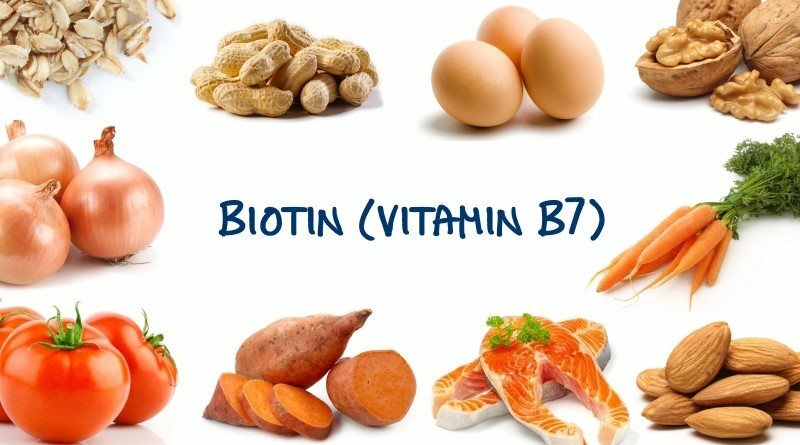
Definition Vitamin B7, also known as Biotin, is a water-soluble vitamin belonging to the B vitamin group, important for hormone production and supporting the metabolism of proteins, carbohydrates, and fats in the body. A small amount of Biotin can be produced by some bacteria in the intestines, while the rest needs to be supplemented through...